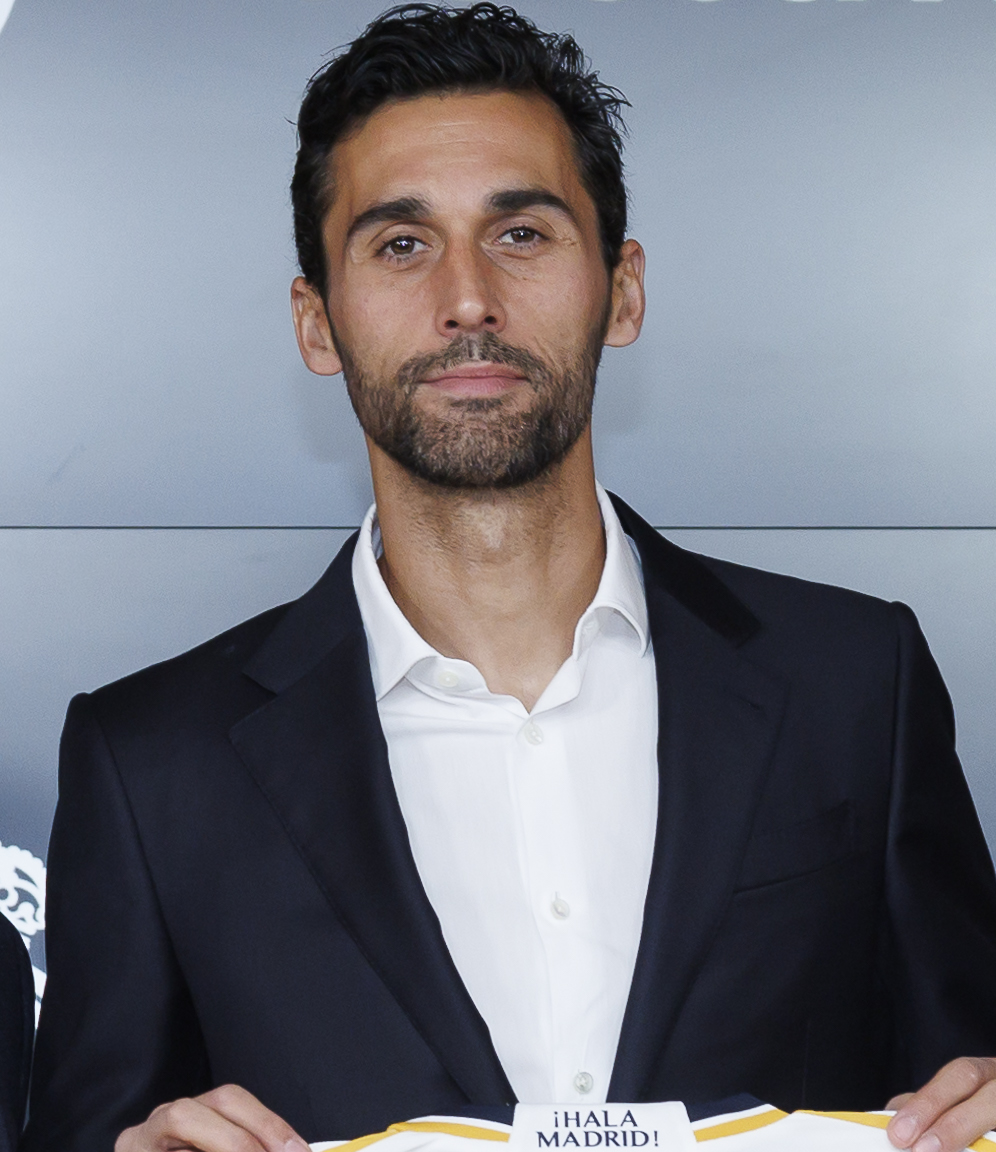
A Sudden Shift at the Bernabéu: The Context of Arbeloa's Ascent
The Santiago Bernabéu, a stadium synonymous with footballing drama and high stakes, recently witnessed another seismic shift in its coaching dugout. Just seven months into his tenure, Real Madrid bid farewell to Xabi Alonso, a club legend whose managerial stint ended abruptly after a challenging start to the season culminated in a 3-2 defeat to arch-rivals Barcelona in the Spanish Super Cup final in Jeddah. This departure, described as a mutual agreement by the club, came after Alonso himself had taken the reins from Carlo Ancelotti, who left to manage the Brazilian national team last May.
The rapid turnover underscores the immense pressure inherent in the Real Madrid managerial role. It’s a position that demands immediate success, unwavering resilience, and a profound understanding of the club’s unique culture and towering expectations. Into this maelstrom steps another esteemed former player, Alvaro Arbeloa. His appointment as head coach signifies a new chapter, laden with both immense challenges and tantalizing possibilities. The world will be watching to see how Arbeloa navigates the demanding landscape of managing one of the biggest clubs globally, seeking to stamp his authority and guide
Real Madrid back to consistent success.
From Legendary Blanco to Head Coach: Alvaro Arbeloa's Journey
Alvaro Arbeloa’s connection with Real Madrid runs deep, forged over years as both a player and a coach within the club’s esteemed ranks. His journey began at the age of 18 when he joined the club’s Castilla academy in 2001, having started his formative years at Zaragoza. While his senior debut for Madrid came in 2004, featuring in just four matches before a spell at Deportivo La Coruna, it was his return to the Bernabéu in 2009 that cemented his status as a club icon.
Between 2009 and 2016, Arbeloa was a formidable presence on the right flank, making 238 appearances and contributing significantly to one of Real Madrid's most successful eras. During this period, he amassed an impressive haul of eight trophies, including a La Liga title, a Club World Cup, two coveted Champions League titles, and two Copa del Rey trophies. Beyond his club exploits, Arbeloa was also an integral part of Spain’s golden generation, representing his country 56 times and lifting the 2010 FIFA World Cup, as well as the 2008 and 2012 European Championships. His playing career, which also included three seasons with Liverpool in the Premier League and a brief stint with West Ham United before retiring in 2017, showcases a career built on dedication, tactical awareness, and a winning mentality. Fans can delve deeper into his illustrious playing days and seamless transition in our related article:
Alvaro Arbeloa: Player Legend to Real Madrid Head Coach.
A Proven Path Through the Academy
Arbeloa’s coaching journey began shortly after his retirement, leading him back to the familiar embrace of Real Madrid's academy in 2020. Here, he diligently honed his craft, taking on various roles across different age groups. His commitment to youth development and tactical instruction quickly bore fruit. He coached the Under-14s A to a league title in the 2020-2021 season and guided the Under-16s in the following campaign.
His most significant success, however, came during the 2022-2023 season, where he masterminded the Juvenil A (Under-19) team to a historic domestic treble – winning the league, Copa del Rey, and Champions Cup, a first for the club. This extraordinary achievement not only showcased his coaching prowess but also his ability to instill a winning culture and develop young talent within the Real Madrid system. Prior to his first-team appointment, he had been coaching the club’s B team, Castilla, since June last year, further solidifying his understanding of the club’s pipeline and tactical philosophy.
Arbeloa's First Test: Immediate Challenges and Strategic Outlook
The clock is ticking for Alvaro Arbeloa. His baptism of fire as the senior team coach will arrive swiftly with the upcoming Copa del Rey match against Albacete. This immediate challenge, however, is merely the tip of the iceberg. Arbeloa steps into a role demanding not just tactical acumen but also immense leadership and psychological strength.
Navigating the Storm: Key Challenges
*
Player Morale: The team will likely be reeling from Alonso's sudden exit and the Super Cup defeat. Arbeloa's first task will be to unify the squad, restore confidence, and remind them of the club's illustrious identity.
*
Immediate Results: At Real Madrid, patience is a scarce commodity. Arbeloa must quickly implement his vision and secure positive results to alleviate pressure and gain the trust of the demanding fan base and media.
*
Tactical Transition: While Arbeloa's academy success speaks volumes, translating that to the senior level with world-class players is a different proposition. He'll need to swiftly adapt his tactical approach to the existing squad's strengths while subtly embedding his own philosophy.
*
Managing Expectations: The club’s recent trophy haul has set an impossibly high bar. Arbeloa must manage these expectations while simultaneously aiming for silverware in all competitions.
A Glimpse into Arbeloa's Philosophy
While the full scope of Arbeloa's senior team philosophy remains to be seen, his past statements offer intriguing insights. Crucially, he has reportedly stated he won't try to be "the new Mourinho." This declaration suggests a potential departure from the confrontational, media-heavy style often associated with José Mourinho, under whom Arbeloa played. Instead, it hints at a more understated, perhaps collaborative, or internally focused approach, prioritizing squad harmony and the intrinsic values of Real Madrid.
Given his success with the Juvenil A side, fans can anticipate a manager who emphasizes fundamentals, team cohesion, and a high work rate. His academy background suggests a manager who truly understands the
Real Madrid DNA – a blend of technical brilliance, mental fortitude, and an insatiable hunger for victory. He may favour a balanced, disciplined structure that allows individual brilliance to shine within a collective framework, possibly drawing inspiration from the principles he instilled in his youth teams.
Practical Tip for Observation: When watching Arbeloa’s first few matches, pay close attention to the team's defensive solidity and offensive transitions. His youth teams were known for their tactical discipline and effective counter-attacking play, which might be an early hallmark of his senior side.
A New Era Dawns: What Does Arbeloa Bring to Real Madrid?
The decision to appoint Alvaro Arbeloa marks a deliberate choice by Real Madrid to look inward, entrusting the reins to someone who embodies the club's values and has come through its own coaching ranks. This strategy, similar to what other top clubs have done with former players, carries both significant advantages and potential risks. For a comprehensive look at this transition, read our feature:
Alvaro Arbeloa Takes Helm at Real Madrid: New Era Begins.
The Advantages of an Internal Appointment
*
Deep Club Understanding: Arbeloa doesn't need a settling-in period to understand Real Madrid. He knows the institutional politics, the pressure, the culture, and the expectations inside out. This intrinsic knowledge is invaluable.
*
Respect and Authority: As a former player who tasted immense success with the club and Spain, Arbeloa commands instant respect from the dressing room and the fan base. His status as a club legend lends him significant authority.
*
Youth Integration: His extensive work with the academy means he has a unique understanding of the club's young talent. This could lead to a smoother integration of promising Castilla players into the first team, aligning with Real Madrid's long-term strategy.
*
Unifying Figure: By distancing himself from a "Mourinho-esque" persona, Arbeloa could position himself as a unifying figure, focusing on internal strength and collective effort rather than external battles.
Potential Risks to Consider
*
Lack of Senior Experience: While his academy record is stellar, managing the Real Madrid senior team in La Liga and the Champions League is a monumental leap. The sheer scale and scrutiny are unparalleled.
*
Immediate Performance Pressure: The honeymoon period for any Real Madrid manager is notoriously short. Any dip in form or significant defeat will quickly intensify the spotlight.
*
Player Power: Navigating a dressing room filled with established superstars requires immense diplomatic skill and strength of character.
Conclusion
Alvaro Arbeloa's appointment as Real Madrid’s new head coach signals a fascinating and potentially defining period for the club. Emerging from the club's own storied academy system, Arbeloa brings with him a profound understanding of the Real Madrid ethos, a decorated playing career, and a proven track record of nurturing talent at the youth level. His first test against Albacete in the Copa del Rey will be just the initial skirmish in what promises to be an arduous but potentially exhilarating journey. The challenges are immense, from steadying a ship adrift after a managerial change to navigating the relentless demands for silverware. Yet, his deep connection to the club, coupled with his commitment to developing a winning and cohesive team, offers a compelling narrative. The global football community will be eagerly watching to see if
Arbeloa Real Madrid can indeed usher in a new era of dominance, proving that sometimes, the most successful path forward is paved by those who truly understand the heart and soul of the institution.